Drinkware
Best Water Bottles
A water bottle sounds like a simple purchase until you're replacing it every two years because the lid cracked, the gasket molded over, or the insulation gave out. The real decision isn't about color or brand — it's about which design will hold up through daily abuse, dishwasher cycles, and the occasional drop off a tailgate. Get this right and you'll genuinely never think about it again.
Quick picks
- If you Want the most durable all-around bottle→YETI Rambler Bottle with MagSlider Lid
- If you Need one-handed use while driving or on the move→Owala FreeSip Sway (30 ounces)
- If you Want a proven heritage brand built to last decades→Stanley Classic Vacuum Bottle (1.3 QT / 1.2L)
- If you Want the best value entry into a BIFL bottle→Nalgene Stainless Steel Bottle with OrthoSlide Lid
- If you Prefer glass and want to avoid plastic taste entirely→Purifyou Glass Water Bottle (22 ounces)
Quick comparison
| Product | Price | Rating | Material | Lid | Tier |
|---|---|---|---|---|---|
| Hydro Flask Wide Mouth with Flex Chug Cap (24 ounces) | $19.98 | 4.6 (1,288) | stainless | chug | Mid-range |
| Takeya Actives Water Bottle with Spout Lid (24 ounces) | $25.99 | 4.7 (30,641) | stainless | flip | Mid-range |
| Owala FreeSip Sway (30 ounces) | $27.99 | 4.7 (6,173) | stainless | straw | Mid-range |
| Purifyou Glass Water Bottle (22 ounces) | $25.97 | 4.3 (6,174) | glass | screw | Mid-range |
| Klean Kanteen Classic Insulated with Loop Cap | $34.95 | 4.8 (2,068) | stainless | screw | Premium |
| YETI Rambler Bottle with MagSlider Lid | $35-$50 | 4.8 (21,921) | stainless | flip | Premium |
| Nalgene Stainless Steel Bottle with OrthoSlide Lid | $16.99 | 4.8 (6,078) | stainless | flip | Budget |
| Stanley Classic Vacuum Bottle (1.3 QT / 1.2L) | $25.35 | 4.7 (54,840) | stainless | screw | Mid-range |
| Contigo Autoseal Stainless Steel Water Bottle | $28.49 | 4.7 (9,356) | stainless | flip | Mid-range |
| Hydro Cell Stainless Steel Insulated Bottle with Integrated Carrying Loop | $23.36 | 4.7 (60,557) | stainless | screw | Mid-range |
| Zojirushi Stainless Steel Vacuum Insulated Bottle | $35.98 | 4.6 (31,397) | stainless | screw | Premium |
All options
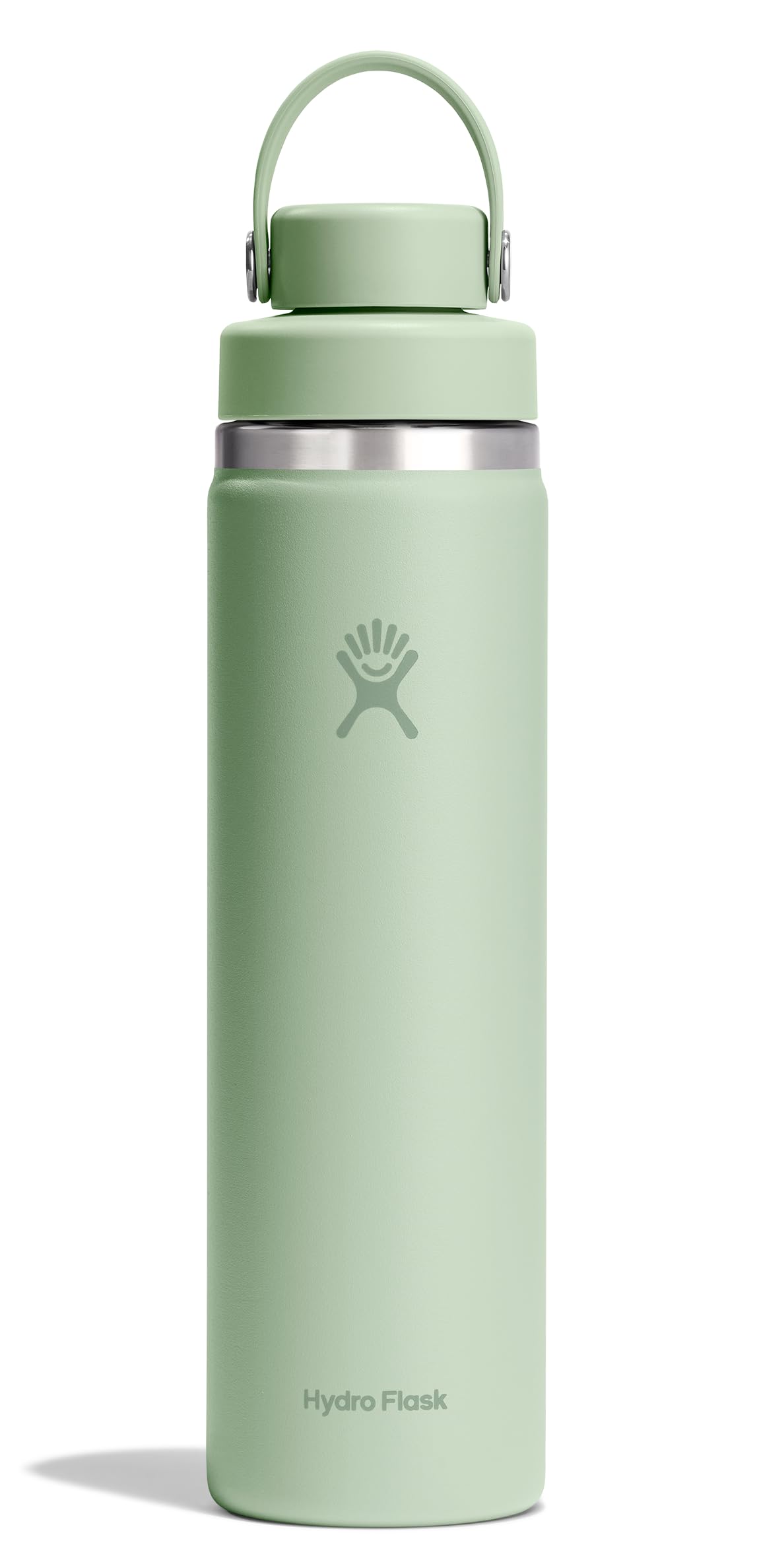
Hydro Flask built its reputation on solid 18/8 stainless construction and a wide lid ecosystem that lets you swap between chug, straw, and sip configurations as your needs change. The Flex Chug Cap is genuinely leak-proof and pleasant to drink from, and the wide mouth makes cleaning and ice loading easy. The concern worth flagging is that Hydro Flask has crept up in price to parity with YETI, and at that price point, YETI's thicker steel and slightly more abuse-resistant build tilts the value equation. Still a well-made bottle — just no longer the obvious price-performance winner it once was.
A good fit if you're already in the Hydro Flask lid ecosystem and want a reliable, well-supported bottle without switching brands.
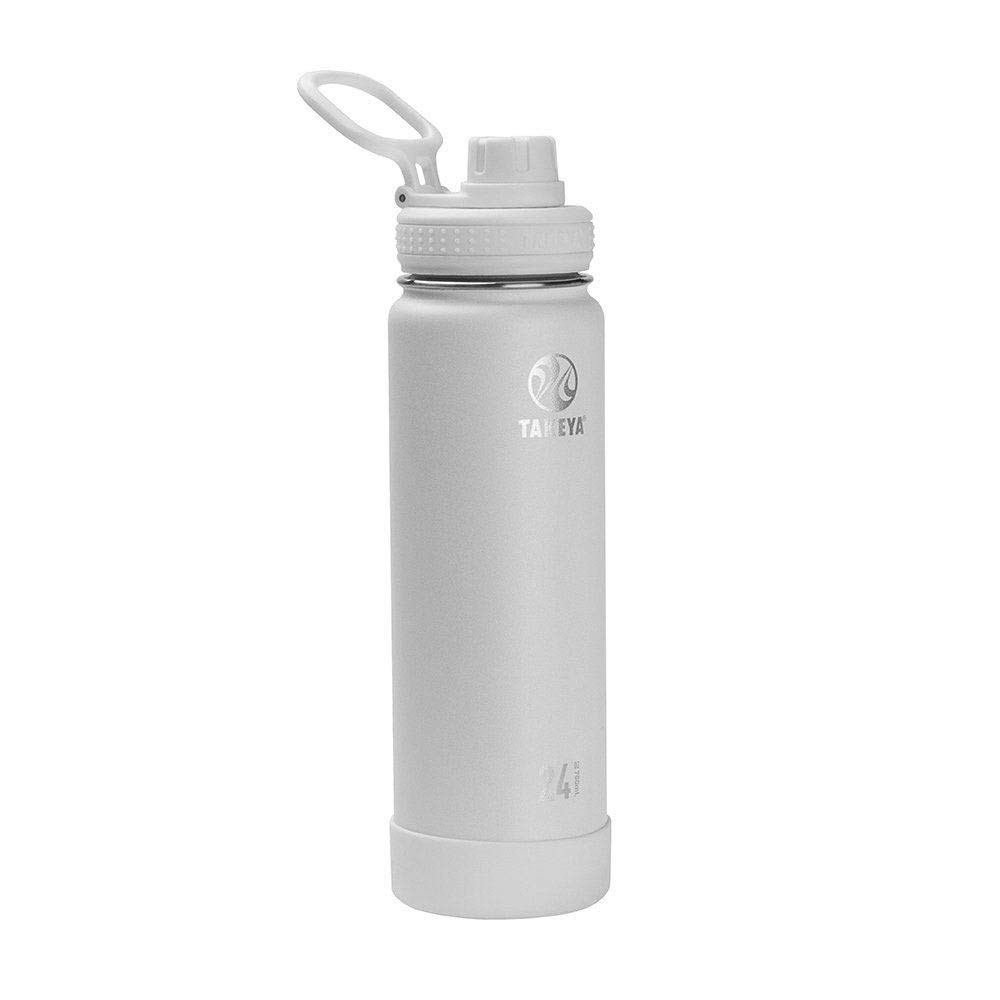
Takeya makes a thoughtfully designed bottle that's been praised for its clean construction and ease of cleaning — real owners with multi-year experience describe it as a solid, no-fuss daily driver. The 18/8 stainless construction checks the right box, and the spout lid is genuinely convenient for active use. The recurring critique from long-term owners is that the lid has more moving parts than it needs to, and that complexity is worth weighing if you're buying for durability above all else. For the price, it's a capable bottle, but it's not where you'd look if longevity is the primary goal.
A good fit if you want a reliable mid-range bottle with a convenient spout lid and don't need the proven long-term track record of the heritage brands.
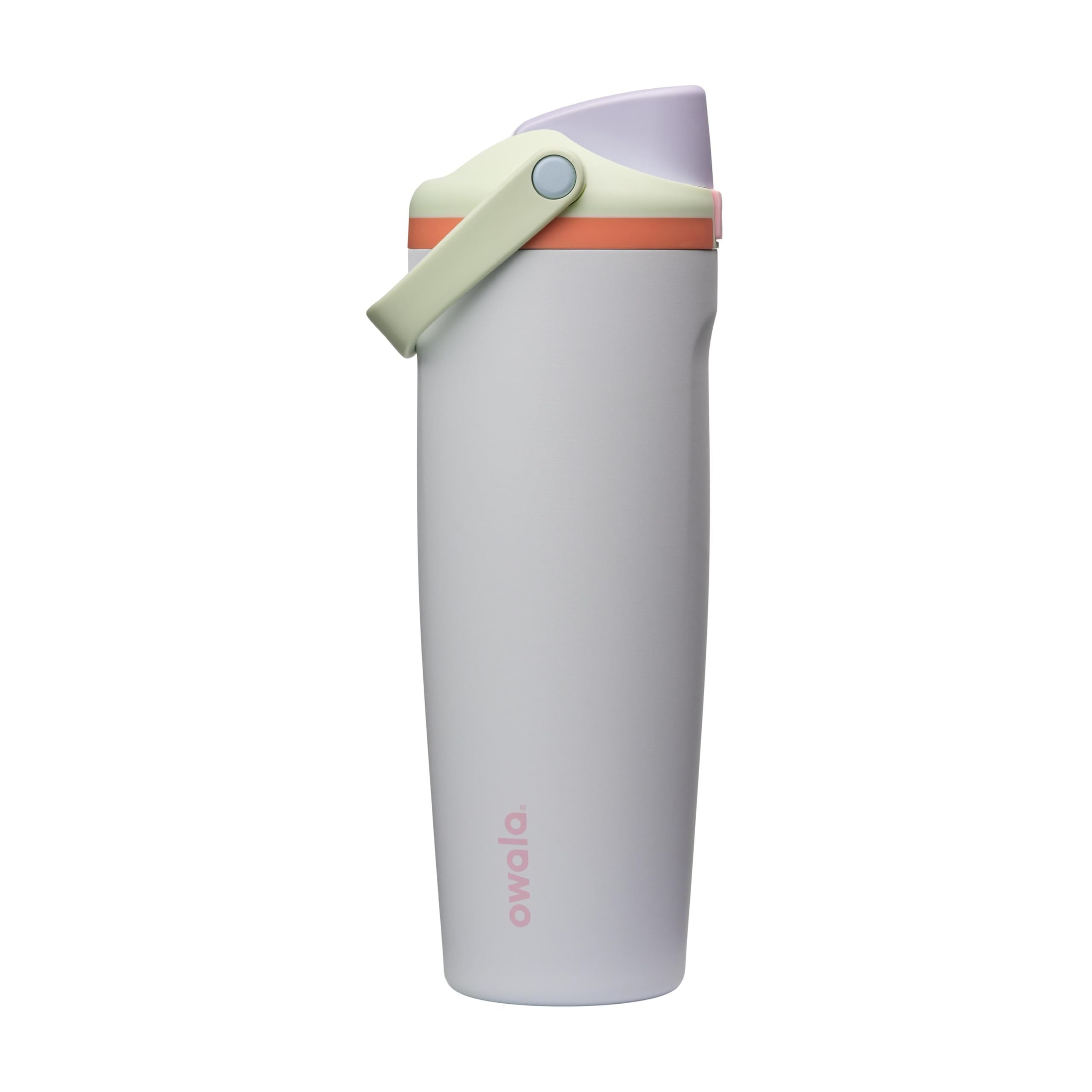
The FreeSip Sway solves a real problem: drinking from a water bottle with one hand while doing something else. The 2-in-1 spout lets you sip through a straw or tilt-swig from the same opening, and the push-button lock genuinely helps with in-bag security. The honest tradeoff is that this convenience comes from a spring-loaded mechanism that will eventually wear out — this isn't a forever lid, it's a good lid with a known failure mode and a $7 replacement cost when it gets there. For BIFL purposes, it's the most repairable complex-lid option in its class.
A good fit if one-handed convenience is your top priority and you're comfortable replacing the lid every few years as the spring wears.

A genuine glass bottle in a protective silicone sleeve — this is for people who want zero plastic or metal contact with their water and are comfortable with the inherent fragility tradeoff. The wide mouth and time markers are practical touches, and the silicone sleeve absorbs some impact, but this is not a drop-it-on-concrete-and-forget-it option. There's no vacuum insulation, so it won't keep drinks cold for hours the way a double-wall stainless bottle will. What it does offer is completely neutral taste and a material that won't degrade or absorb odors over time.
A good fit if you drink room-temperature water primarily and want the purest possible taste experience without committing to the price of a Purist bottle.
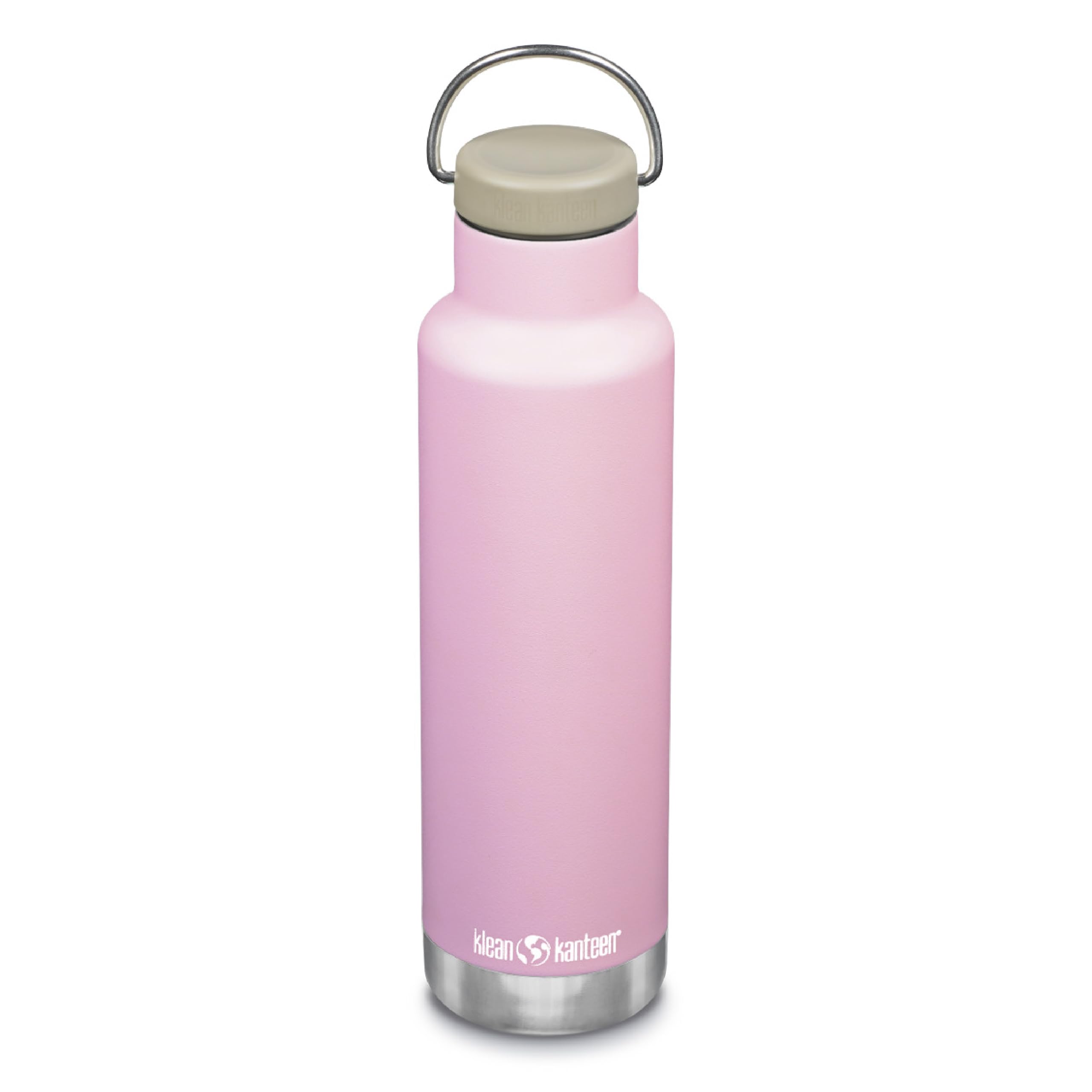
Klean Kanteen is one of the foundational BIFL brands in this category — they were making serious 18/8 stainless bottles before most of the competition existed, and the Classic with Loop Cap reflects that philosophy: simple design, minimal moving parts, and a lid ecosystem with long-term parts availability. The loop cap is one of the most reliable lid designs in the category precisely because there's almost nothing to fail. Owners report multi-year and even decade-plus use with zero meaningful degradation. If you want a bottle that will simply work, indefinitely, this is where you look.
A good fit if you want maximum long-term reliability and are willing to trade some drinking convenience for a lid that will genuinely last.

YETI has earned its reputation the hard way: through years of field reports from people who've dropped, dented, and dishwashered their Ramblers and come back to say the bottle kept going. The steel is noticeably thicker than most competitors, and that translates to real-world dent resistance that cheaper bottles simply don't match. The MagSlider lid is a clever design — magnetic closure that's easy to operate and cleans up simply — though it's worth noting this is a more complex lid than a basic loop or chug cap. Long-term owners consistently report six-plus years of daily use without meaningful failure.
A good fit if you want the most abuse-resistant all-around bottle available and are willing to pay a premium for construction that's clearly a step above the mid-range competition.

Nalgene's 40-year track record in durable bottles carries over into their stainless steel line, and the OrthoSlide lid keeps the design refreshingly simple — minimal moving parts, easy to clean, and no proprietary seals that'll strand you when they fail. At under $17, this is the most accessible entry point into a genuinely BIFL-capable bottle from a brand with proven longevity. It won't win on insulation performance against premium double-wall competitors, but it's a no-nonsense option for someone who wants durability without the premium price tag.
A good fit if you want a proven heritage brand with a simple, repairable design and don't want to spend $35 to get there.

Stanley has been making vacuum-insulated stainless vessels since 1913, and the Classic Bottle carries that legacy in a straightforward, repairable design with replaceable gaskets and a lid that's been refined over decades. The community around this bottle is full of people who inherited their parents' or grandparents' Stanley and are still using it — that's not marketing, it's just what happens when a company builds something right and supports it indefinitely. The 1.3-quart size is larger than a typical water bottle, making it better suited as a carry-all thermos than a gym companion, but for sheer longevity credentials, nothing in this category comes close.
A good fit if you want a bottle you can genuinely pass down, prioritize repairability and parts availability above all, and need a larger capacity for all-day hydration or hot drinks.

Contigo's Autoseal design is genuinely clever — a button-activated seal that closes automatically between sips, making in-bag leaks almost impossible under normal use. Long-term owners who've treated it well report years of reliable daily use, and the price point makes it an accessible entry. The honest concerns are real, though: the lid mechanism is complex enough that it won't last forever, there are reports of seal failure in bags under pressure, and at least some owners have encountered rust issues with lower-end variants. It's a capable bottle with a ceiling on its longevity.
A good fit if you commute daily, carry your bottle in a bag with valuables, and want leak protection as your top priority over maximum long-term durability.

Hydro Cell builds its reputation on heavy-duty 18/8 construction at a price point that undercuts the premium brands without obviously cutting corners on the steel. The integrated carrying loop is a sensible, minimal-moving-parts design choice, and the brand has developed a real following among outdoor and field users who report strong durability over years of hard use. It sits in a useful middle ground — more rugged than entry-level options, less expensive than YETI or Klean Kanteen, with enough owner history to suggest it punches above its price.
A good fit if you want a heavy-duty bottle for outdoor or field use and want to spend less than the premium brands without sacrificing structural integrity.

Zojirushi's thermal performance is in a different league — owners consistently report coffee staying genuinely hot into the afternoon, a claim that most vacuum bottles make but few actually deliver on consistently. Japanese manufacturing standards show in the fit and finish: lids seal with a precision that feels qualitatively different from American-engineered competitors, and the track record of multi-decade ownership is real. The tradeoff is that Zojirushi bottles tend toward a narrower mouth and a more utilitarian aesthetic, and replacement parts availability outside Japan can be harder to navigate. For pure thermal performance and reliability, this is the benchmark.
A good fit if thermal performance is your primary requirement — especially for hot drinks — and you want Japanese engineering precision over lifestyle branding.
How to choose
Start with the steel. 18/8 stainless steel is the baseline for anything worth keeping long-term — it resists corrosion, doesn't leach flavor, and holds up to the kind of repeated thermal cycling that thinner or lower-grade metals don't. Double-wall vacuum insulation matters for the same reason: beyond just keeping drinks cold, it prevents condensation and reduces thermal stress on the bottle over years of use. Avoid anything marketed primarily on aesthetics that skimps on wall thickness or uses 18/0 steel.
The lid is where most bottles fail, and it's worth being honest about the tradeoffs. Complex push-button and straw mechanisms are genuinely more convenient, but they introduce spring mechanisms and multiple plastic components that will eventually wear out. Simple screw caps and loop caps last longer, full stop. The question is whether you can get replacement lids and gaskets when they inevitably need it — brands like Klean Kanteen, YETI, and Stanley have deep parts ecosystems; some newer brands do not. A bottle with a replaceable $7 lid is a very different long-term proposition than one where a failed component means replacing the whole thing.
Wide-mouth vs. narrow-mouth is a practical daily-use question more than a durability one. Wide-mouth bottles are easier to fill with ice, easier to clean by hand, and easier to add supplements to — but their lids tend to be bulkier and more complex. Narrow-mouth designs naturally lend themselves to simpler, more reliable lids and are often better for sipping on the move. Neither is objectively better; it depends on how you actually use a bottle day to day.
Finally, think about repairability as a long-term cost. A bottle that costs $35 with a lifetime warranty and available replacement gaskets will almost certainly outlast a $20 bottle with proprietary seals and no parts support. The brands with the strongest long-term owner loyalty — Stanley, Klean Kanteen, YETI — all share one thing: their designs are repairable, and their companies have been around long enough to back that up.
Things worth knowing
- → Lid complexity is the biggest durability wildcard: a simple screw cap or loop lid will outlast any push-button or straw mechanism, but you give up meaningful convenience that makes you actually use the bottle.
- → Thermal performance claims are nearly identical across premium bottles, but real-world longevity depends on vacuum seal integrity over years — brands with thicker steel and proven manufacturing consistency hold up better past the three-year mark.
- → Glass interiors offer genuine flavor neutrality that even the best stainless can't fully match, but they add weight and eliminate insulation unless the bottle uses a steel outer shell — a niche but legitimate need for coffee and tea drinkers who are sensitive to taste.
- → Replacement parts availability isn't exciting to think about at purchase, but it's the single biggest factor in whether a bottle lasts five years or fifteen — a bottle whose gasket you can replace for $3 is fundamentally different from one that's disposable when the seal fails.
- → Capacity and form factor affect whether the bottle actually gets used: a 40oz bottle that doesn't fit your car's cup holder or your bag's side pocket will get left at home, making a smaller, better-fitting bottle the more sustainable choice for most people.