Cast Iron Cookware
Best Cast Iron Skillets
Cast iron is one of the few things you can genuinely buy once and pass down — but that only holds if you buy the right one. The tradeoffs here aren't obvious: price, surface finish, weight, and country of origin all matter in ways that affect whether a pan becomes a decade-long workhorse or a regret gathering dust in the back of a cabinet.
Quick picks
- If you Want a reliable everyday pan without overthinking it→Lodge Pre-Seasoned 12-Inch Cast Iron Skillet
- If you Want lighter weight and a more maneuverable shape→Lodge Chef Collection 12-Inch Cast Iron Skillet
- If you Want a polished American-made pan that performs like vintage cast iron→Field Company Cast Iron Skillet (10-inch or 12-inch)
- If you Are buying as a serious gift for someone who cooks→Stargazer Cast Iron Skillet (10-inch, 12-inch, or 14-inch)
- If you Want something distinctive with a handle that stays cooler longer→Finex Original Uncoated Cast Iron Skillet (10-inch or 12-inch)
Quick comparison
| Product | Price | Rating | Surface | Origin | Tier |
|---|---|---|---|---|---|
| Lodge Chef Collection 12-Inch Cast Iron Skillet | $39.90 | 4.6 (1,318) | textured | Made in USA | Budget |
| Lodge Pre-Seasoned 12-Inch Cast Iron Skillet | $34.90 | 4.6 (163,598) | textured | Made in USA | Budget |
| Field Company Cast Iron Skillet (10-inch or 12-inch) | $350.00 | 4.5 (295) | polished | Made in USA | Premium |
| Stargazer Cast Iron Skillet (10-inch, 12-inch, or 14-inch) | $155.00 | 4.5 (480) | polished | Made in USA | Premium |
| Finex Original Uncoated Cast Iron Skillet (10-inch or 12-inch) | $199.95 | 4.5 (219) | polished | Made in USA | Premium |
All options

The Chef Collection is Lodge's attempt to address the main complaints about standard cast iron: it's lighter, has a more ergonomic handle, and features slightly more maneuverable geometry. The shallower sides and reduced capacity are a real trade-off though — you'll notice the missing depth if you regularly braise, fry, or cook for multiple people. For searing, roasting, and everyday stovetop work, it handles well and gets out of its own way. Like all Lodge, the textured surface is the honest limitation compared to polished alternatives, but the lighter weight makes it more approachable for people who find traditional cast iron cumbersome.
A good fit if you want the affordability of Lodge but prefer a pan that's easier to handle and you cook primarily for one or two people.
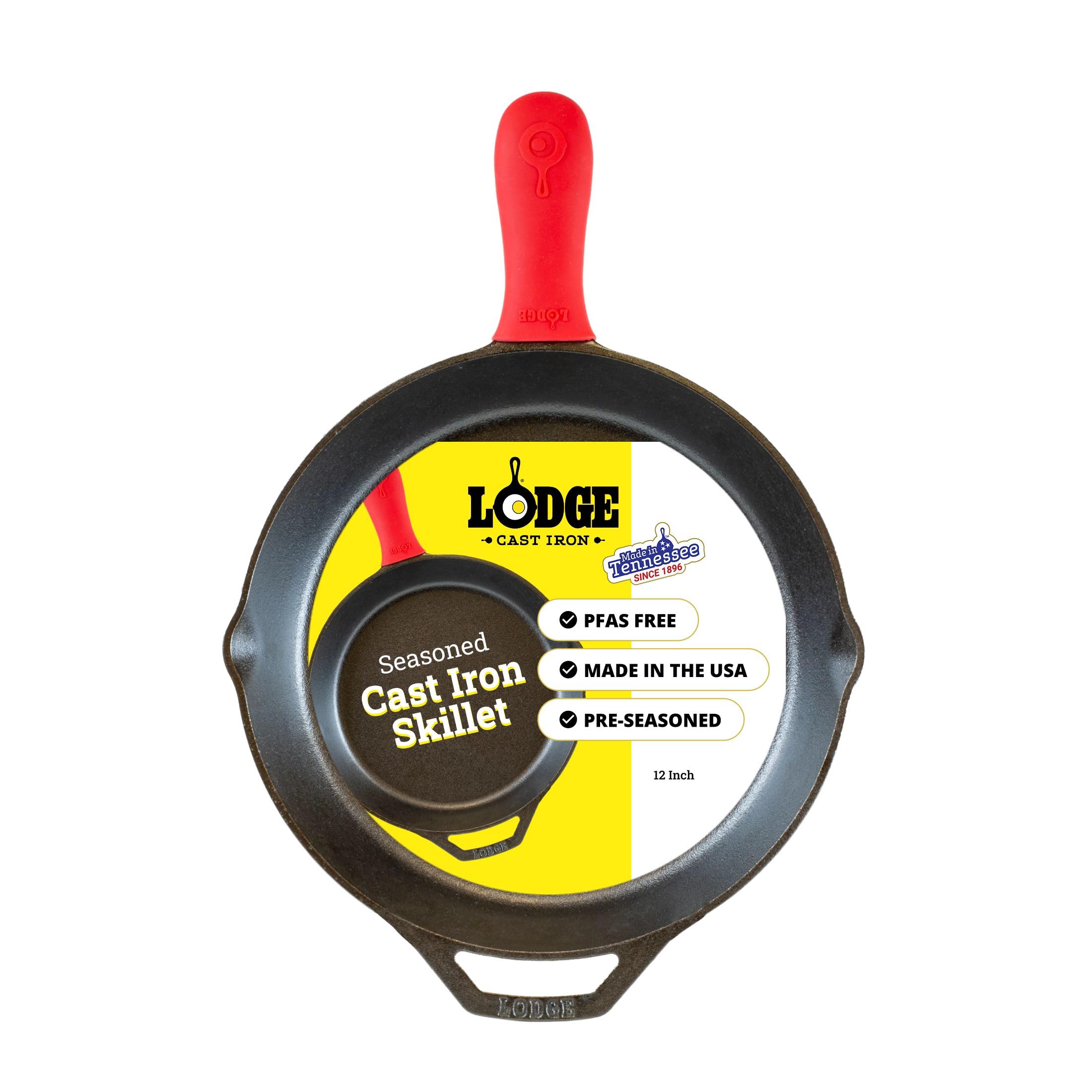
The standard Lodge 12-inch is the most proven entry point in cast iron — it's been in more American kitchens than any other modern skillet, and the sheer volume of long-term owners speaks to its durability. The rough, textured cooking surface is the known limitation: it works, and it does improve with seasoning over years, but it's a different experience than a polished pan and requires more patience early on. That said, the base metal quality is solid, the price is hard to argue with, and if you're willing to do a proper strip-and-season, you're getting a pan that will last generations. Longtime cast iron enthusiasts sometimes move on once they've handled a vintage or premium piece, but many never feel the need to.
A good fit if you want a dependable, proven cast iron workhorse at the lowest reasonable price and you're not chasing the slick surface of vintage or premium pans.
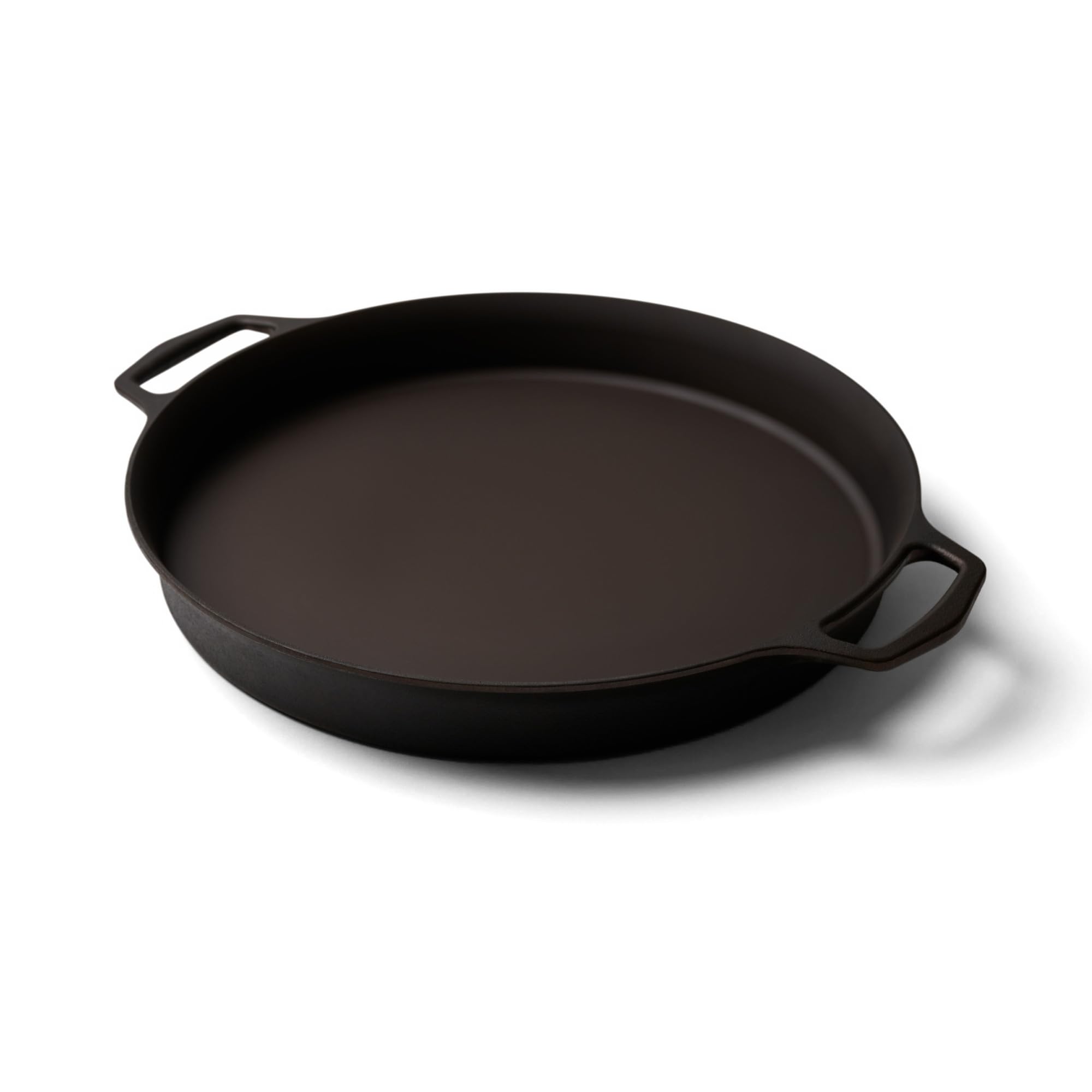
Field Company built their entire identity around one specific goal: replicating the lighter, smoother vintage American cast iron that serious cooks still seek out at estate sales. They use the same green sand casting methods as Griswold and Wagner once did, then machine-polish the cooking surface to match that era's finish quality. The result is a pan that feels genuinely different from modern budget cast iron — lighter, slicker, and more responsive — at a price that's significant but defensible if you're buying for keeps. The enthusiast community has largely validated the claims: Field pans hold their own against vintage finds, which is the standard that matters here.
A good fit if you want the performance characteristics of vintage cast iron without the uncertainty of buying secondhand, and you care about American manufacturing.

Stargazer is a small-batch American foundry that has earned genuine credibility in enthusiast circles through consistent execution and a meticulous polished finish. The extended handle design improves balance noticeably, and the cooking surface earns real praise from owners who've used both Lodge and vintage pieces — it's a meaningful step up in everyday usability. The size range is currently more limited than competitors, which occasionally frustrates buyers looking for less common dimensions, but the 10.5-inch and 12-inch are executed well. This pan rewards people who take cast iron seriously and want a piece that only gets better with regular use.
A good fit if you want a well-engineered American-made skillet with a polished surface and you're buying it as a considered, long-term kitchen investment — or as a meaningful gift.

Finex takes the most distinct design approach of any cast iron maker here: an octagonal shape with multiple pour spouts and a stainless steel coil spring handle that cools faster than bare cast iron. The handle is the standout feature for daily use — it's inspired by vintage wood stove door handles and genuinely does stay manageable longer than a solid cast handle, which matters if you're moving the pan frequently. The polished cooking surface performs well and requires less seasoning maintenance than a textured pan. The octagonal shape is polarizing for some buyers but adds functional pour angles. This is cast iron for people who think about their tools.
A good fit if you want a premium American-made skillet with a handle that stays cooler longer and you appreciate thoughtful, distinctive industrial design.
How to choose
The biggest practical decision is surface finish. Modern budget cast iron — think standard Lodge — is cast with a pebbly, textured cooking surface. It works, and it does season up over years of use, but it's noticeably less slick than polished alternatives out of the box. The premium American makers — Field, Smithey, Stargazer, Finex — all machine or hand-polish their cooking surfaces to replicate the feel of vintage American cast iron from the Griswold and Wagner era. If you've ever cooked on a well-loved vintage piece and wondered why new pans don't feel the same, this is exactly why. If you're patient and willing to build seasoning over years, a textured surface gets you there eventually. If you want that experience sooner, a polished surface is worth paying for.
Weight and thickness are worth thinking through before you buy. Heavier doesn't always mean better — it means more thermal mass, which is great for searing but frustrating if you're moving a pan from stovetop to oven repeatedly or cooking for one. The Lodge Chef Collection leans lighter and shallower than the classic Lodge, which makes it more maneuverable but limits capacity for larger cooks. The premium options from Field, Stargazer, and Smithey are also lighter than you might expect, deliberately engineered to hit a sweet spot between heft and usability. If you're feeding a family or braising regularly, pan depth and capacity matter more than most buyers realize until they've overflowed a too-shallow pan.
Handle design is underappreciated as a longevity factor. Standard cast iron handles get hot and stay hot. Finex solves this with a wound stainless steel spring handle that cools faster and has a distinctly different feel. Stargazer uses an extended handle geometry for better balance. These aren't gimmicks — if you're reaching for this pan daily for decades, the ergonomics compound. Painted or coated handles also tend to degrade with heavy stovetop and oven use, so bare cast iron, stainless, or raw steel handles will outlast decorative finishes.
On the question of factory seasoning: most serious cast iron users strip and re-season a new pan regardless of what comes out of the box, so don't let pre-seasoning claims be the deciding factor. What matters is the base metal quality, the casting consistency, and the surface preparation beneath any seasoning layer. The expensive American makers compete on exactly these factors. Lodge competes on accessibility and price. Both are legitimate value propositions — they're just for different buyers.
Things worth knowing
- → A polished cooking surface performs noticeably better from day one — if you want eggs to slide rather than stick for the first year of ownership, that difference alone may justify the price gap between budget and premium options.
- → Shallower, lighter pans are easier to handle on a daily basis but can become a liability for high-volume tasks like frying chicken or braising — pan depth is a practical constraint, not just a spec.
- → The premium American makers offer something budget options don't: a connection to the craft, restoration support, and the kind of quality control that makes every piece consistent — which matters if you're buying something you expect to hand down.
- → Handle engineering affects comfort over decades of use, not just during a single cook — stainless steel and thoughtfully shaped cast handles outlast painted surfaces and stay safer in everyday stovetop-to-oven transitions.
- → Factory pre-seasoning is largely irrelevant to long-term performance — what you're really paying for at the high end is casting quality and surface prep, which no amount of vegetable oil spray can replicate on a rough surface.